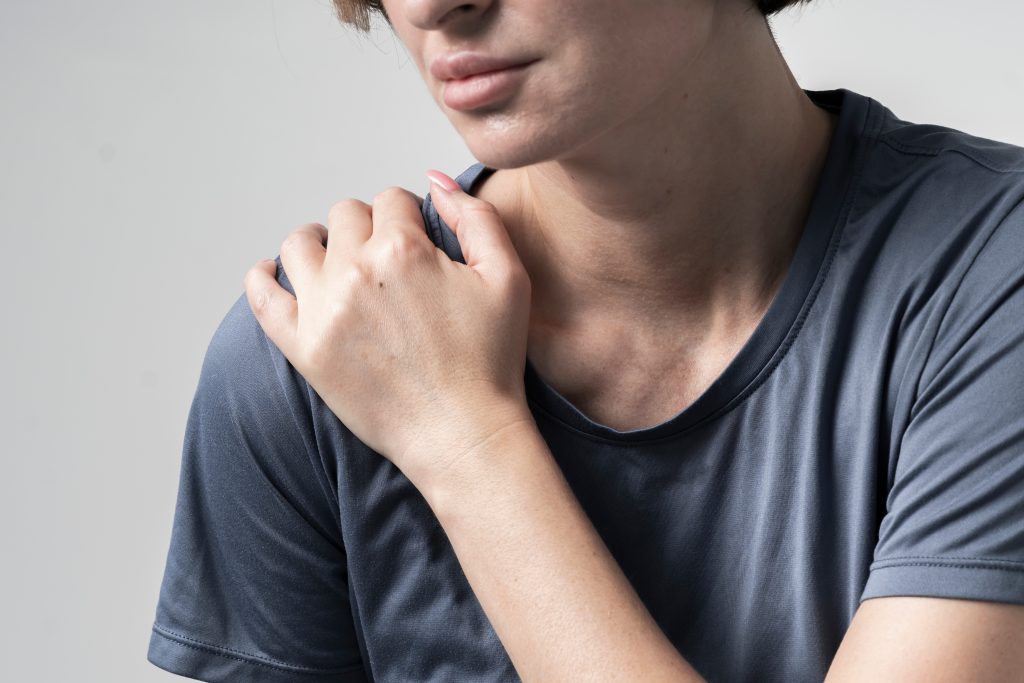
Regenerative medicine uses your body’s own healing cells – through treatments like platelet-rich plasma (PRP) injections and bone marrow aspirate concentrate (BMAC) – to repair damaged tendon tissue and reduce shoulder pain without surgery. Our team in Boca Raton offers these therapies for patients who want to avoid the operating room and get back to daily activity faster.
Below, we break down what a rotator cuff tear is, how regenerative options can help, and who tends to benefit most.
The rotator cuff is a group of four muscles and their tendons that wrap around the top of your upper arm bone and hold it inside the shoulder socket. This structure lets you lift, rotate, and reach overhead. A tear happens when one or more of those tendons is partially frayed or fully pulled away from the bone.
Tears fall into two broad groups:
Partial-thickness tears leave part of the tendon intact
Full-thickness tears go all the way through
Many people live with small partial tears for years without knowing it – until a specific movement or injury makes the shoulder flare up.
Regenerative medicine is a category of treatments that repair, replace, or regenerate cells and tissues to restore normal function – stimulating the body’s own repair systems instead of masking symptoms. At Boca Trauma and Rehab, this includes:
PRP injections – concentrated platelets from your own blood
BMAC therapy – using stem cells harvested from your own bone marrow
Stem Cell Therapy – using regenerative cells from sources like bone marrow or fat tissue
Prolotherapy – injecting a natural irritant solution to stimulate the body’s healing response
Tendons heal slowly because they receive relatively little blood flow. Regenerative injections deliver growth factors and healing signals directly into the damaged area, encouraging new collagen formation and reducing the chronic inflammation that keeps a shoulder sore.
Because PRP therapy uses your own blood, there’s no concern about tissue rejection – one reason it has become a mainstay for tendon and joint injuries.
Stem cell therapy uses regenerative cells – often harvested from your own bone marrow or fat tissue – that can develop into many different cell types. For the shoulder, the goal is to strengthen a frayed or partially torn tendon and reduce the inflammation surrounding it.
Once concentrated cells reach the injured tendon, they release signaling molecules that recruit the body’s repair cells to the site. Over the following weeks and months, this can:
Reduce inflammation – calm the chronic inflammation that causes pain and hinders healing
Promote tissue growth – signal the body to build new, healthy tendon fibers
Improve blood supply – encourage new blood vessels that carry oxygen and nutrients to injured tissue
Rather than a quick numbing effect, the change is gradual and builds toward stronger, more resilient tissue.
Regenerative medicine for rotator cuff tear tends to fit patients who:
Have a partial-thickness tear, chronic rotator cuff tendinopathy, or a degenerative, non-retracted full-thickness tear
Haven’t responded to physical therapy and steroid injections
Want to postpone or avoid surgery, or aren’t good surgical candidates
Are active adults, athletes, or weekend warriors who don’t want to lose a season
Consider it when pain has lasted more than six weeks, sleep is disrupted, or strength loss is limiting work and hobbies. If you’ve been told surgery is your only option, a second look is worthwhile – waiting years rarely improves tendon quality.

Expect mild soreness at the injection site for a few days. Most patients begin a guided strengthening program shortly after, since loading the tendon appropriately helps the healing response along. Unlike surgery, there are no slings or major restrictions on daily living.
Many patients notice improvement within 4-6 weeks, with continued gains over 3-6 months as tissue remodels and strengthens.
Regenerative injections have become widely used in sports medicine for tendon and joint injuries, with many patients reporting significant pain relief and a return to activities they thought were lost. Our sports medicine programs pair these treatments with return-to-play evaluations and exercise prescriptions.
Tear size and location, your age and activity level, overall health, how long symptoms have lasted, and your tolerance for downtime all shape the right plan.
Our team evaluates your shoulder, reviews imaging, and diagnoses the precise cause of your chronic pain or sports injuries. We’ll explain whether regenerative medicine makes sense for your situation – or whether interventional pain management or physical therapy should come first.
Same-day consultations available
Most insurances and all major payment methods accepted
Located in Boca Raton, FL
Schedule Your Shoulder Evaluation
If you’re dealing with ongoing shoulder pain from a rotator cuff tear, regenerative medicine may offer a minimally invasive alternative to surgery for the right candidates. Treatments such as PRP, stem cell therapy, and BMAC are designed to support your body’s natural healing process, reduce pain, and improve function with less downtime. A thorough evaluation by an experienced specialist can determine whether regenerative therapy is the best option for your injury and recovery goals.